From feasibility
to a UK-first
Discover how it all began
It was time to take on food waste and farming.
FKS started with a question rooted in three decades of environmental work: how do you make UK farming genuinely sustainable?
The answer wasn’t marginal tweaks. It was re-engineering the system, starting with feed – the single biggest source of farming emissions.
A partnership built on shared conviction
FKS is a business built on a passion for finding solutions to problems agriculture is facing now, and a conviction that UK farming needs shorter, more secure and cleaner supply chains.
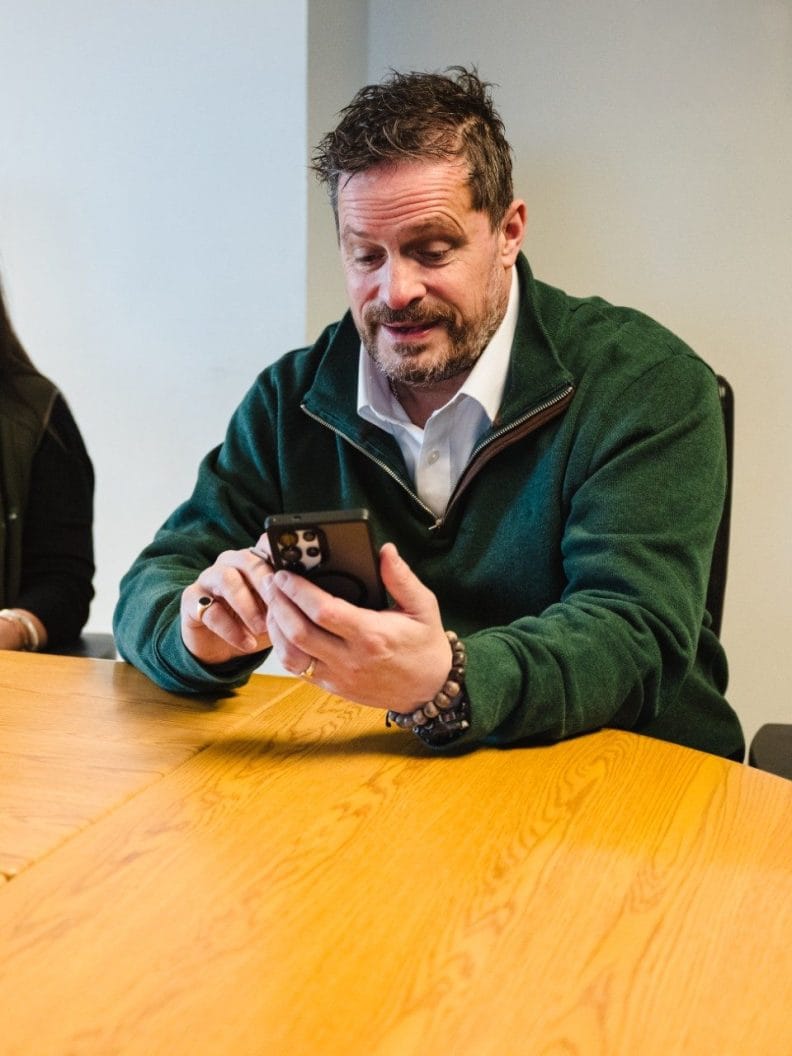
Our Founder, Julian Knight, Chief Executive Officer, sits at the helm of the business. With a background in environmental finance, carbon markets, and global leadership roles, Jules leads the team to keep FKS proactively evolving.
For Julian, a practical question soon became a plan: what would it take to minimise outsourcing and imports and make local, high-quality protein and related products for agriculture, with a reliable supply chain, which are low‑carbon, low-water and low-land-use? The answer was Black Soldier Fly biology – valorising local food waste into high-nutrition, high‑value protein and soil inputs, designed around the UK Food Valley so logistics, impact, and immediate benefits stay close to home.
But FKS is the next chapter in a much longer story of environmental action.
For Julian, climate work has never been about abstract ambition. It has always been about making change feel possible, practical and worth acting on. Earlier in his career, through Global Cool, Julian helped bring emissions reduction into the mainstream by showing people and organisations that climate action could be accessible, repeatable and rooted in credible solutions.
That experience shaped a belief that still sits at the heart of FKS today: environmental progress has to work in the real world. It has to be understood by people, trusted by industry and built into systems that can deliver measurable outcomes.
At FKS, that belief is being put into practice through a commercial-scale circular model designed to tackle one of the UK’s most overlooked environmental challenges: surplus organic material and food waste. When mishandled, this material contributes to methane and land-based emissions. At the same time, UK agriculture remains heavily reliant on imported protein sources, bringing longer supply chains, greater cost volatility and locked-in carbon.
The moment for circular agriculture
FKS was created to offer a different route. It is local by default, industrial by design and circular at its core.
The model reflects Julian’s long-standing view that waste should be treated as a resource, not an externality. By creating useful products from material that would otherwise be underused or mishandled, FKS is helping build shorter, cleaner and more resilient supply chains for UK agriculture.
That is why this business is not simply about waste processing. It is about turning an environmental problem into practical infrastructure — with a model designed to deliver 93% lower emissions than anaerobic digestion, alongside 90% lower water and land use than traditional protein sources.
FKS exists because climate action cannot stay theoretical. It has to be built, measured and made useful — for growers, producers, supply chains and the land we all depend on.
Recent legislative shifts support insect protein being introduced into animal feed, and UK demand already far outstrips home supply.
Shorter supply chains, clearer provenance, and measurable climate gains aren’t optional extras – they are prerequisites for resilient food systems. FKS exists to meet that demand with quality, reliability, and transparency. We host visits, share data, and engage directly with manufacturers, retailers, and local authorities because trust is built in daylight.
While others have tried to lead in technology systems or genetics, FKS owns values-driven with a core sustainable farming as a family business with ethical foundations and a social mission.
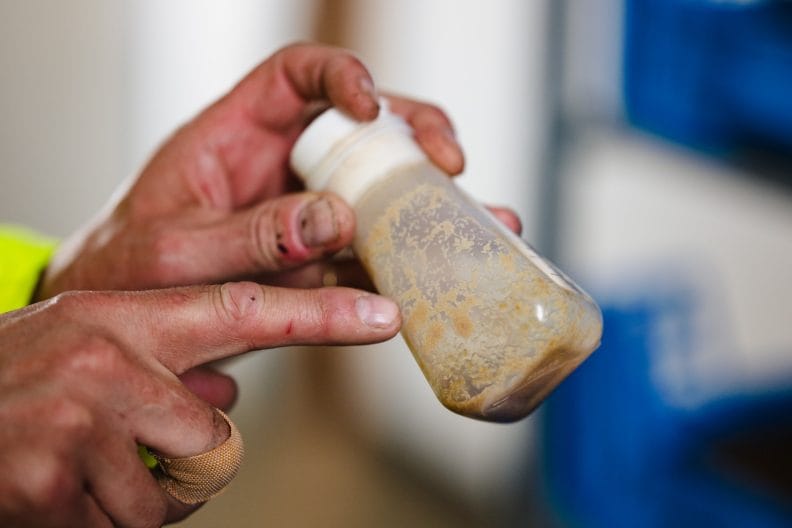
From idea to execution
Early feasibility trials under the Launchpad Innovate project, together with vendor due diligence, led the team to reject closed, high‑grade‑feed models that didn’t fit a circular economy.
Instead, they opted for proven, modular mechanisation that had been finessed in many years of application in Mushroom Farming and secured a dormant industrial kit – from large UK retail chain no less – that could be re‑engineered to FKS standards in Fleet, Holbeach. Funding from experienced agriculture and food science private investors, led by Executive Chairman and Director Mark Aitchison, helped accelerate the move from feasibility to production status.
The science falls to a combination of several sponsored PhDs at the University of Leeds and Hatem Karboul, our Senior Entomologist with 10 years of experience in international BSF production, R&D, and process optimisation. While non‑Executive Directors Geoff Meacock and Ed Hauck bring deep agriculture, processing, and brand‑building experience, strengthening commercial discipline and route‑to‑market.
Erika Knight, as Board Secretary and Head of Personnel, equips the team with strong corporate diligence that allows the platform to grow.
Building where it matters
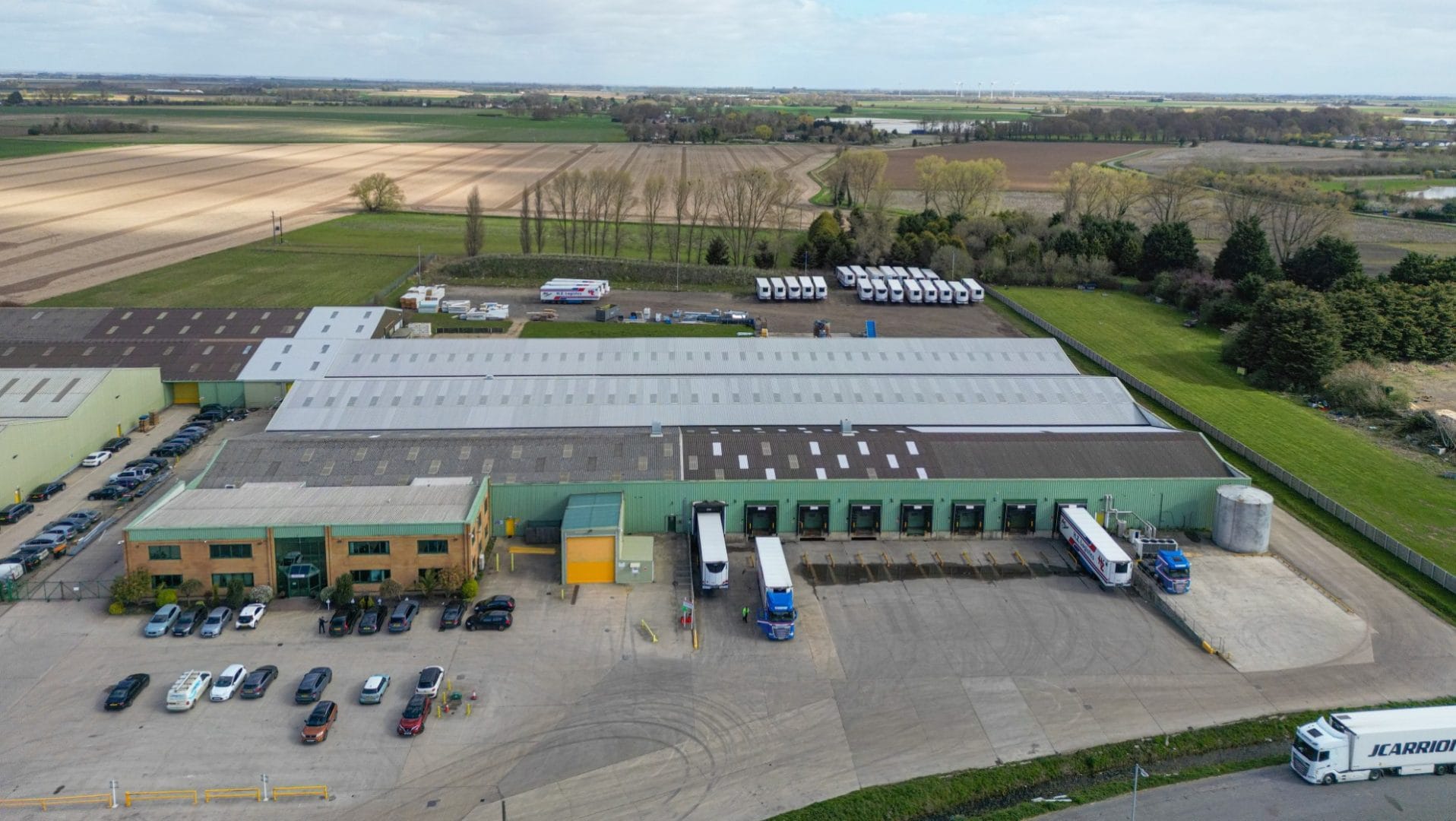
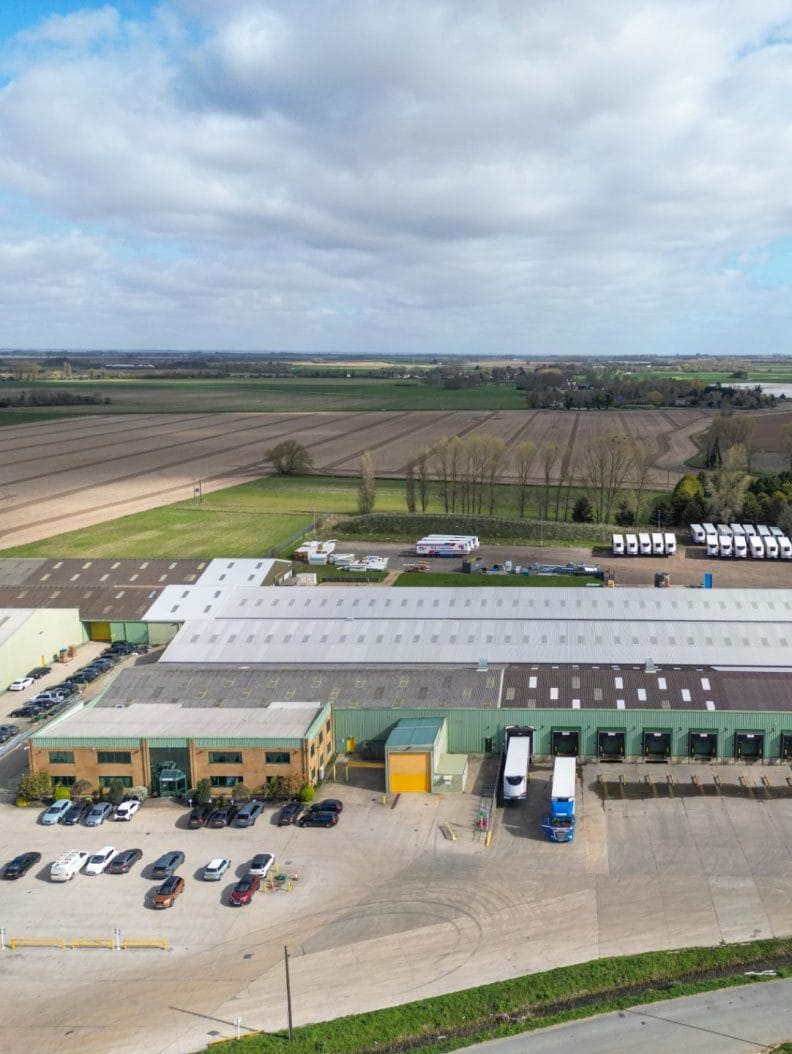
Here in South Lincolnshire – the UK’s Food Valley – every day, a significant share of the nation’s fresh produce passes by our doors. Literally.
We purposefully designed our facility in Holbeach to support that flow, taking in roughly 40,000 tonnes of local surplus food waste each year, saving much of it from landfill, and turning it into high‑value protein and soil health products.
Waste that would otherwise emit land based emissions – no matter where it is destined to end up – becomes a clean input for livestock and pet food. Circular by design, local by default. It’s a cycle that wouldn’t be possible without the ingenious black soldier fly.
What we make
Each output reflects the same principle – nothing wasted, everything purposeful and all rooted in nature.
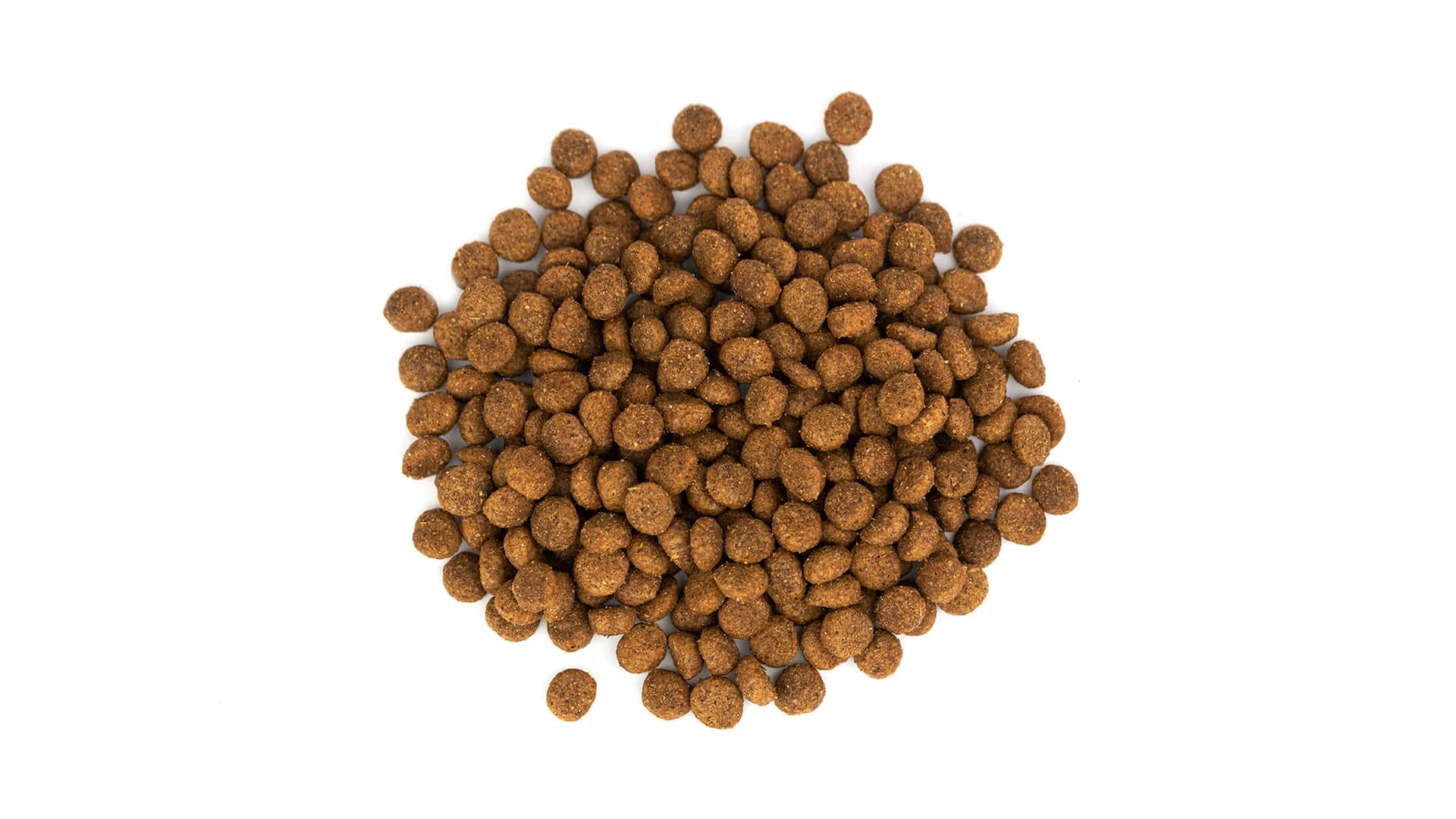
Insect protein
A highly digestible, omega‑rich ingredient for pet, livestock, and aquaculture nutrition.
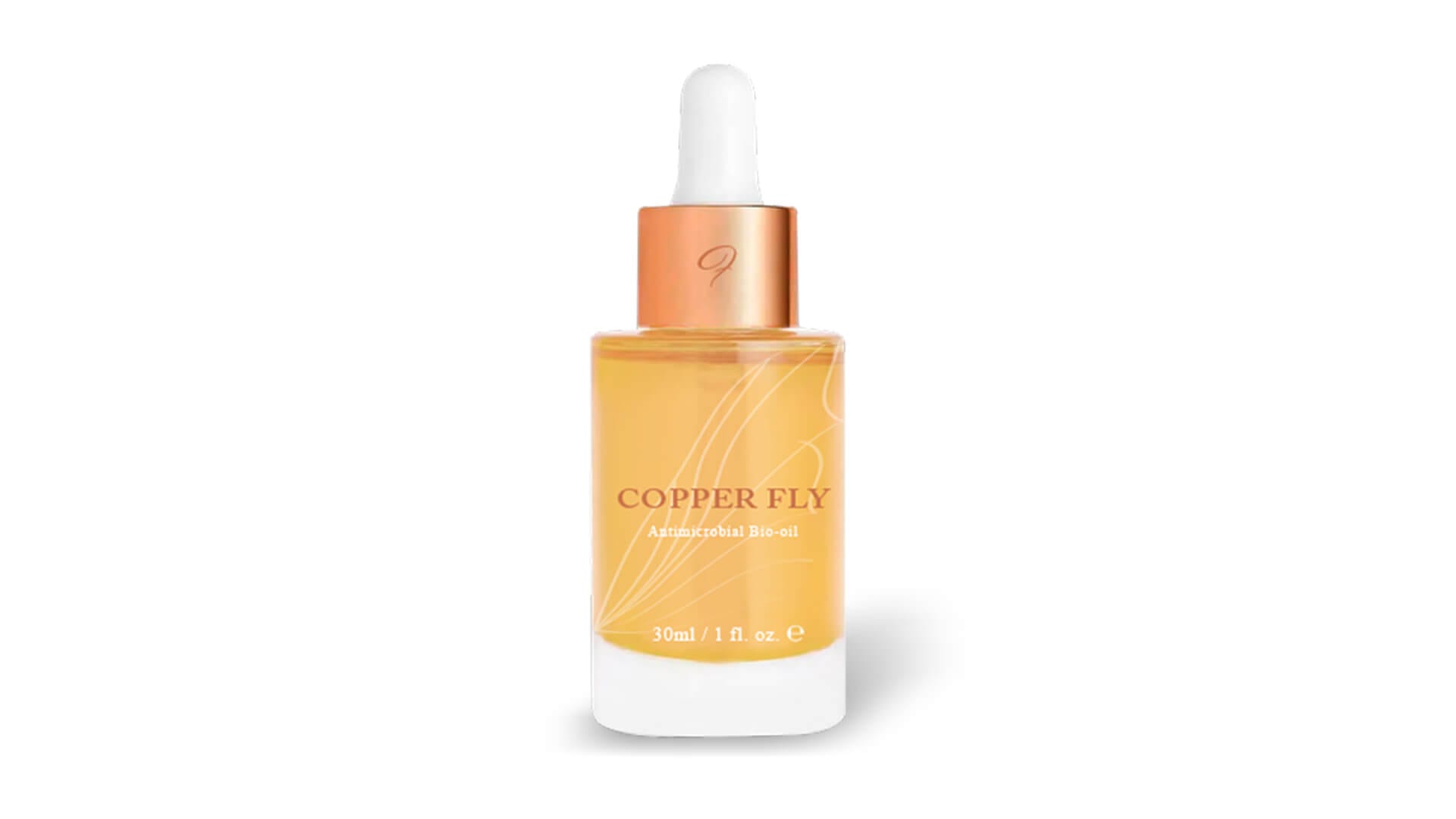
Bio‑oil
A highly digestible, omega‑rich ingredient for pet, livestock, and aquaculture nutrition.
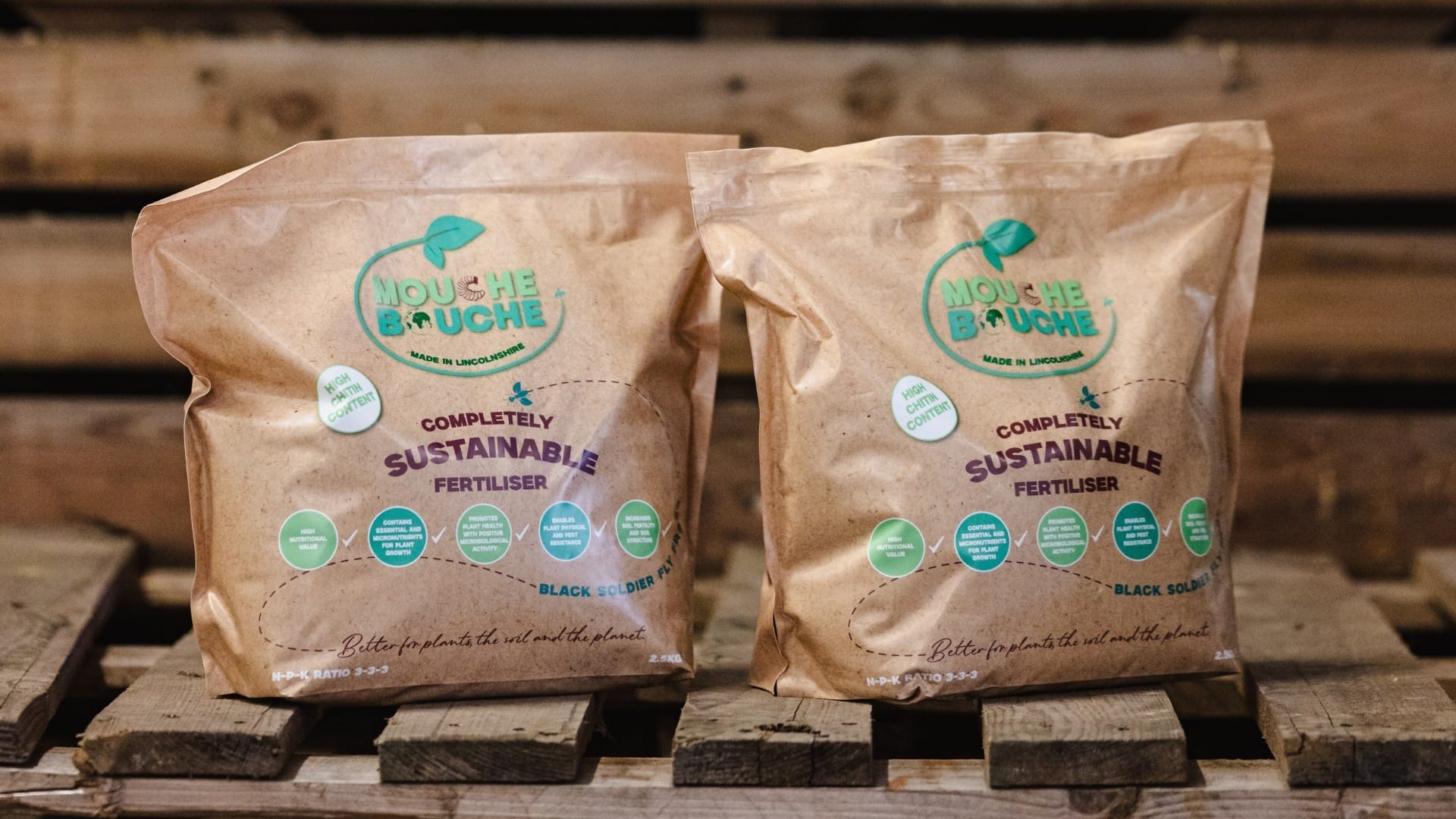
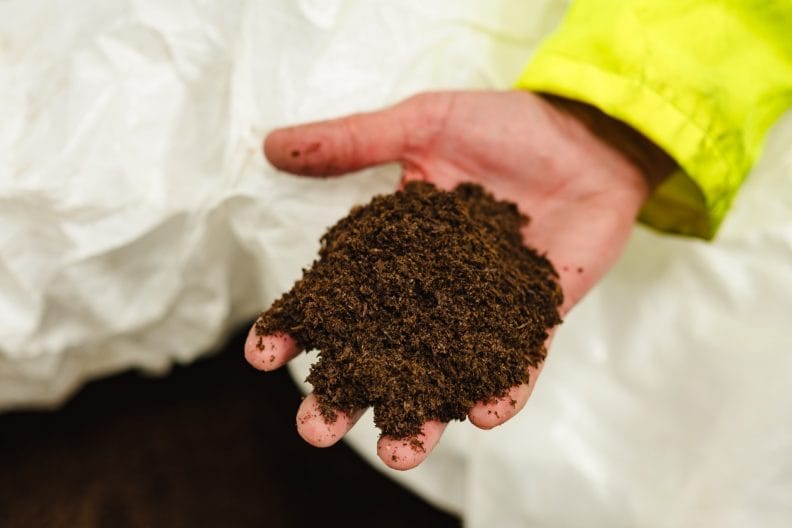
Frass Soil Improver and Polysaccharides
Soil amendment and medical‑grade material that supports plant resilience with several high‑value applications, including soil bio-stimulants that help trigger natural defence mechanisms in soil against Fusarium and wastewater treatment. Chitosan is a very clever positively charged biopolymer.
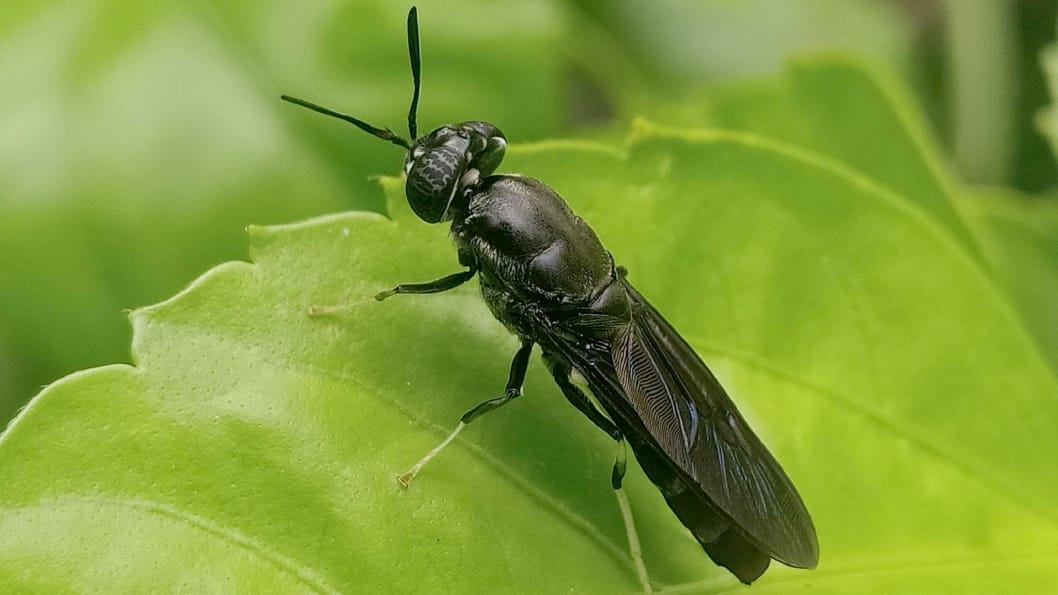
Anti-microbial peptides
Naturally occurring within the larvae – these specialist proteins are true fighters against a range of bacterial infections – and are very difficult to build resistance to.
Engineering trust
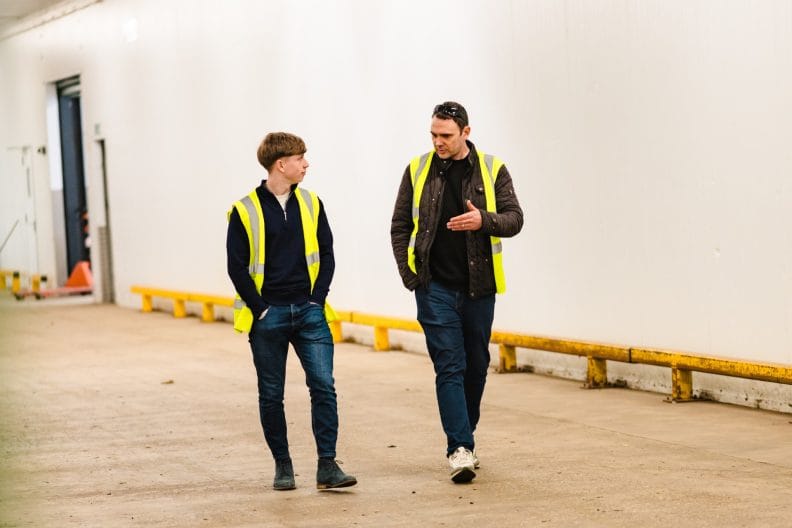
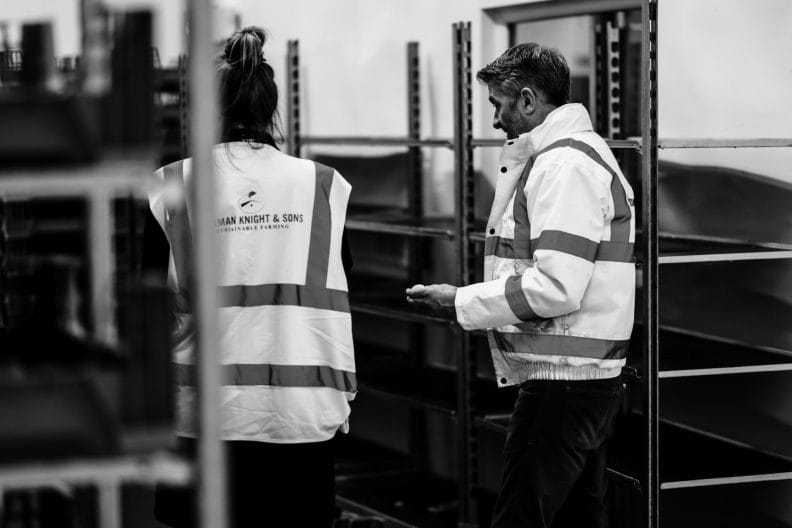
We chose proven industrial systems and rebuilt them to our standards. In just ten weeks, we moved from farming system demolition to the first production room’s racking being complete.
Today, nine huge 33m long rooms are in commission, with production continuing to scale in measured steps. There are no containers in sight.
Our senior entomology team guides the black soldier fly life cycle, from the ‘love cages’ to neonates, nursery, and activation, ensuring consistency at full-scale production.
We have also partnered with APHA (Animal and Plant Health Agency) and Trading Standards, vital engagement to collaboratively help us set a credible industry benchmark.
Insect farming is alive and thriving
We don’t theorise about insect farming.
We do it. Every day, across a facility built to last generations.
Square feet operational
Production sites live
Largest in Europe
Mile sourcing radius
Trusted partners who know the difference











Future-facing, always
We are scaling production enhacing our product processing, strengthening local logistics with EV haulage, and investing in on‑site renewable energy.
We will continue to publish thought leadership pieces and white papers that separate evidence from noise, and we will welcome partners who share our commitment to building a circular economy that works — for farmers, manufacturers, and households across the UK.