Two urgent problems
One circular solution
Bioconversion and Black Soldier Fly: Building a Better Future
Nothing wasted. Everything purposeful.
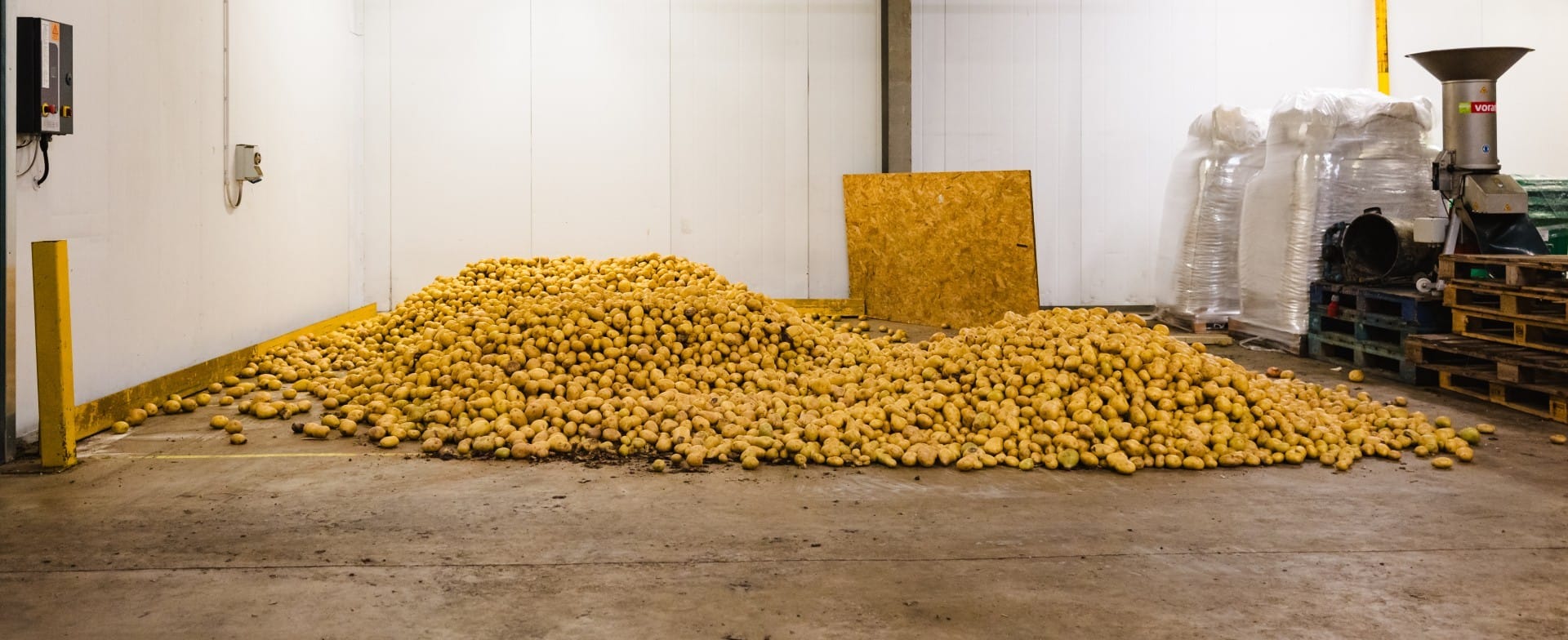
Fairman Knight & Sons is the owner-operator of the UK’s largest operational commercial-scale insect Biotechnology Business, built to turn local surplus food and farm waste into valuable, low-emissions products.
We do this through bioconversion: using the Black Soldier Fly (Hermetia illucens) to convert organic waste into useful co-products. In plain terms, we take unnecessary waste and transform it into ingredients and soil amendments that support a more resilient food system for the UK.
What we do
40,000 tonnes of contracted food
waste, sourced within a 15-mile radius
120,000 sq ft facility in South Lincolnshireʼs UK Food Valley
Protein, soil improver, bio-oil, and polysaccharides
The challenge we solve
Food waste becomes methane and land based emissions when mishandled – how do we avoid that?
The UK produces 9.5 million tonnes of surplus food waste annually. Even with reduction efforts, too much organic material still ends up in landfill or moves through processes that release methane and other land based emissions.
“What really makes Fairman Knight & Sons special, though, is the bigger picture. We’re taking waste and turning it into something valuable. It’s a completely different way of thinking about farming—more circular, more sustainable, and full of potential.”
Meanwhile, UK farmers rely on imported soy for livestock feed – a choice that goes hand-in-hand with volatile costs, long supply chains, and locked-in emissions. British agriculture needs shorter, more secure, cleaner supply chains and less dependency on imported proteins.
So, whatʼs the answer? Itʼs circular by design. Local by default and built on real-world data, not lab assumptions.
Less emissions than AD
Less water than traditional protein sources
Less land use
Tonnes of waste are diverted annually
Sourcing radius
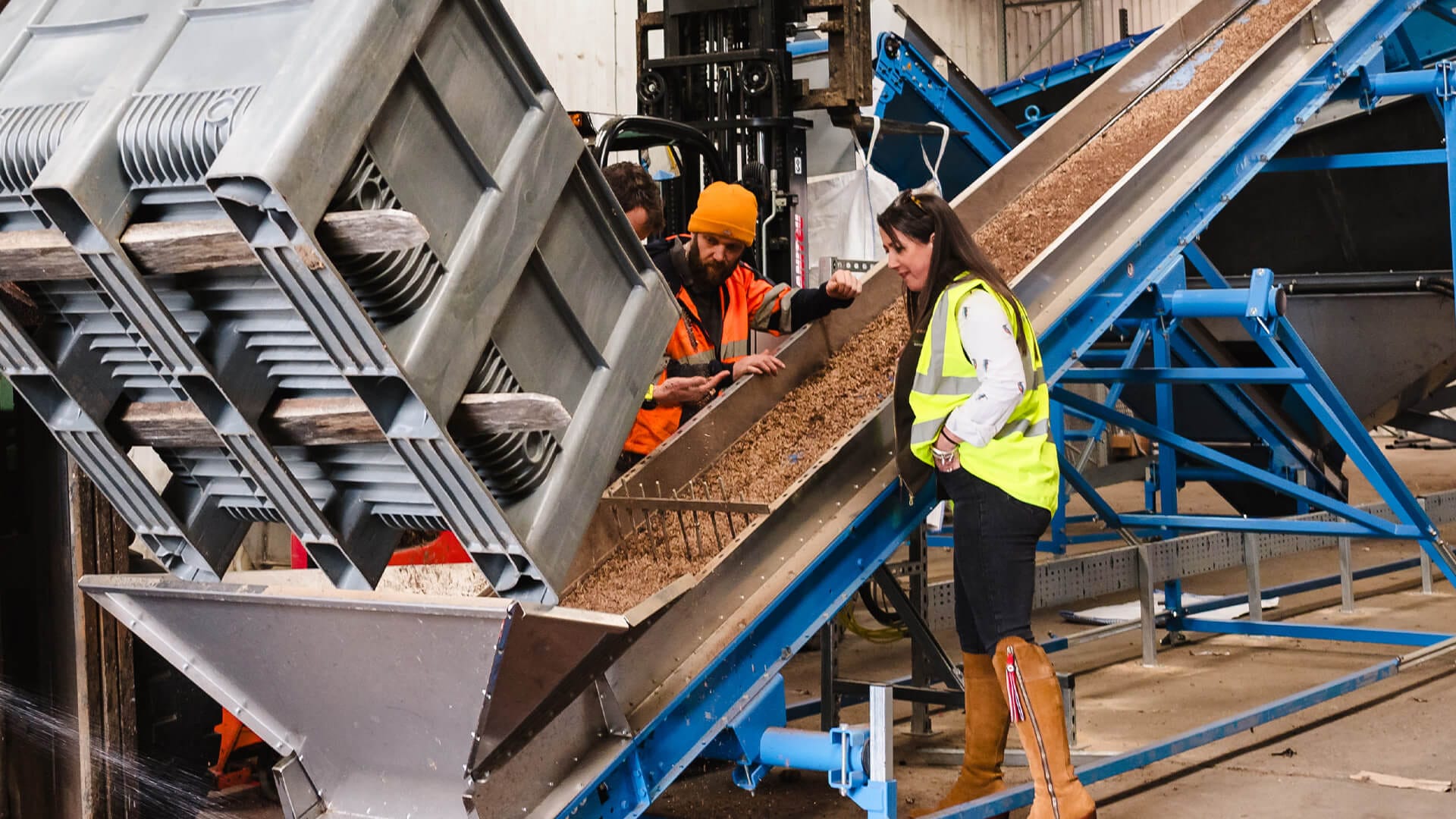
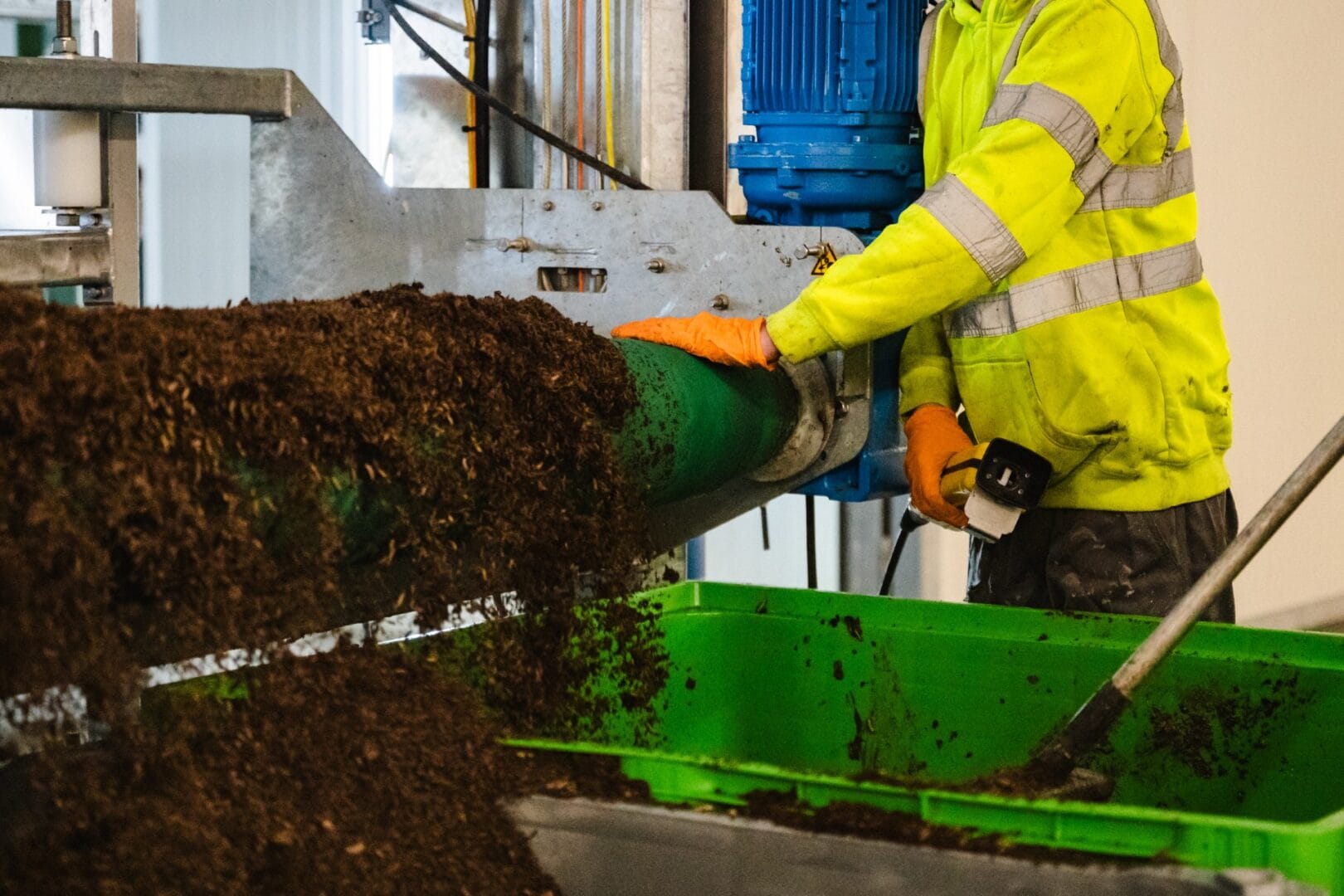
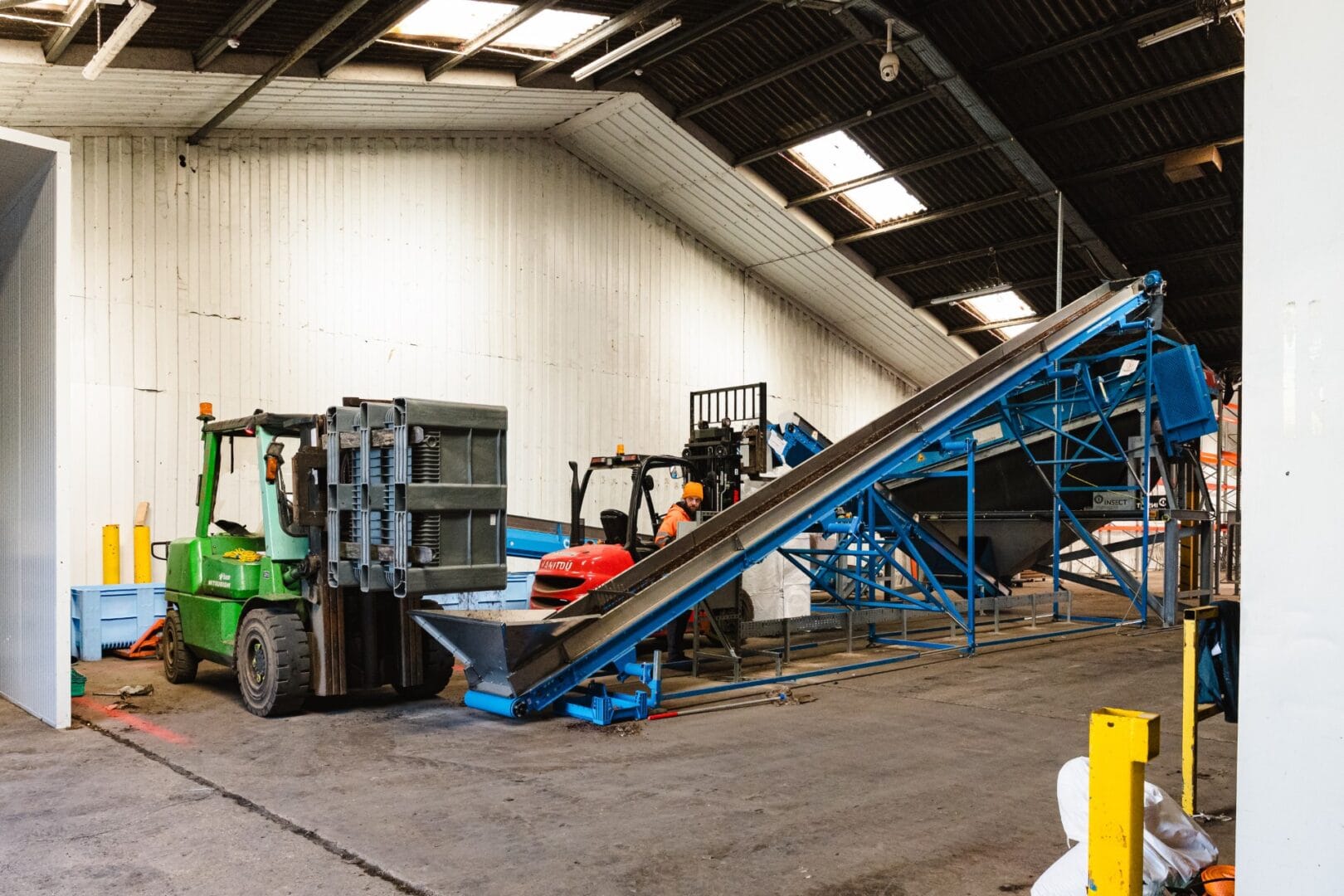
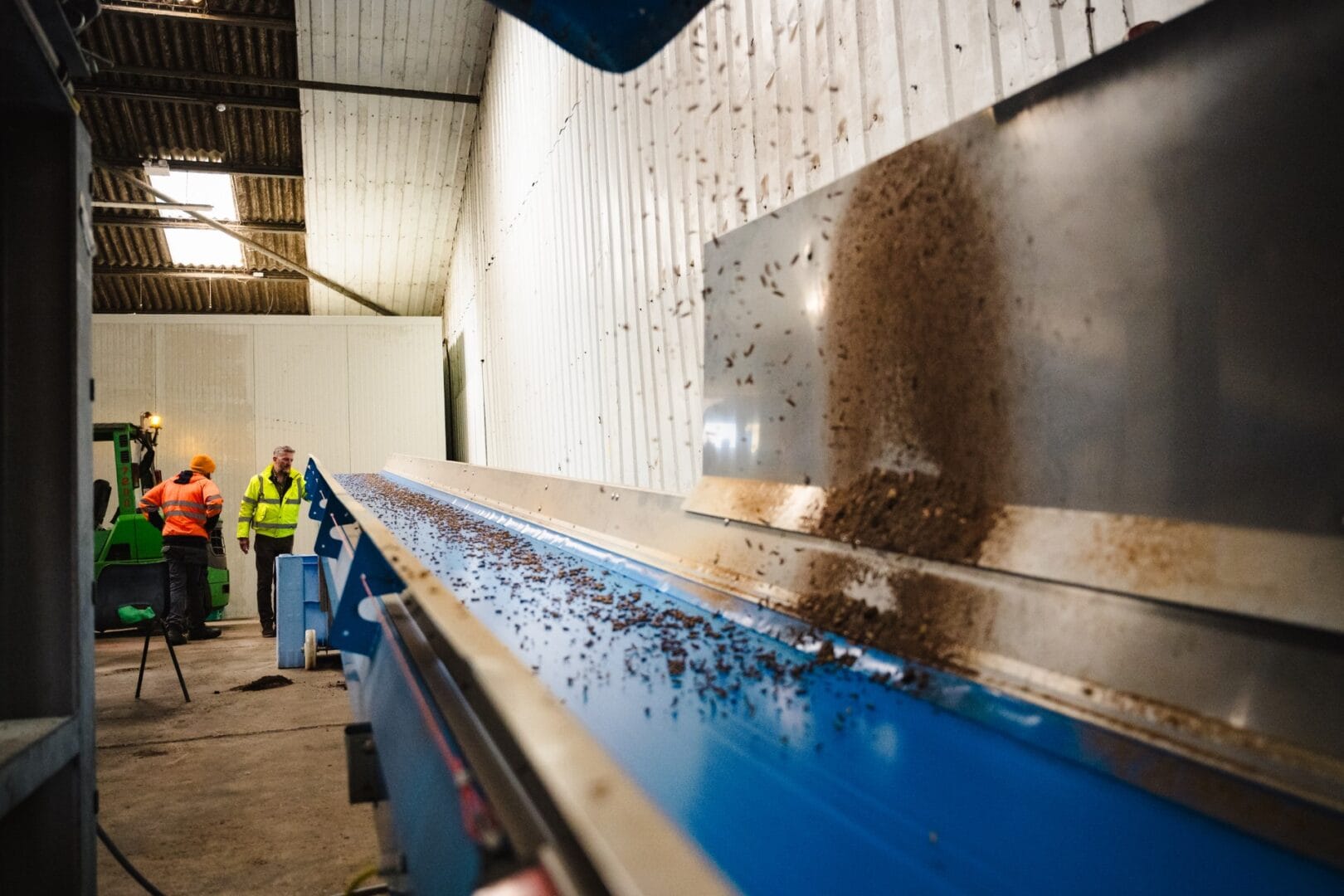
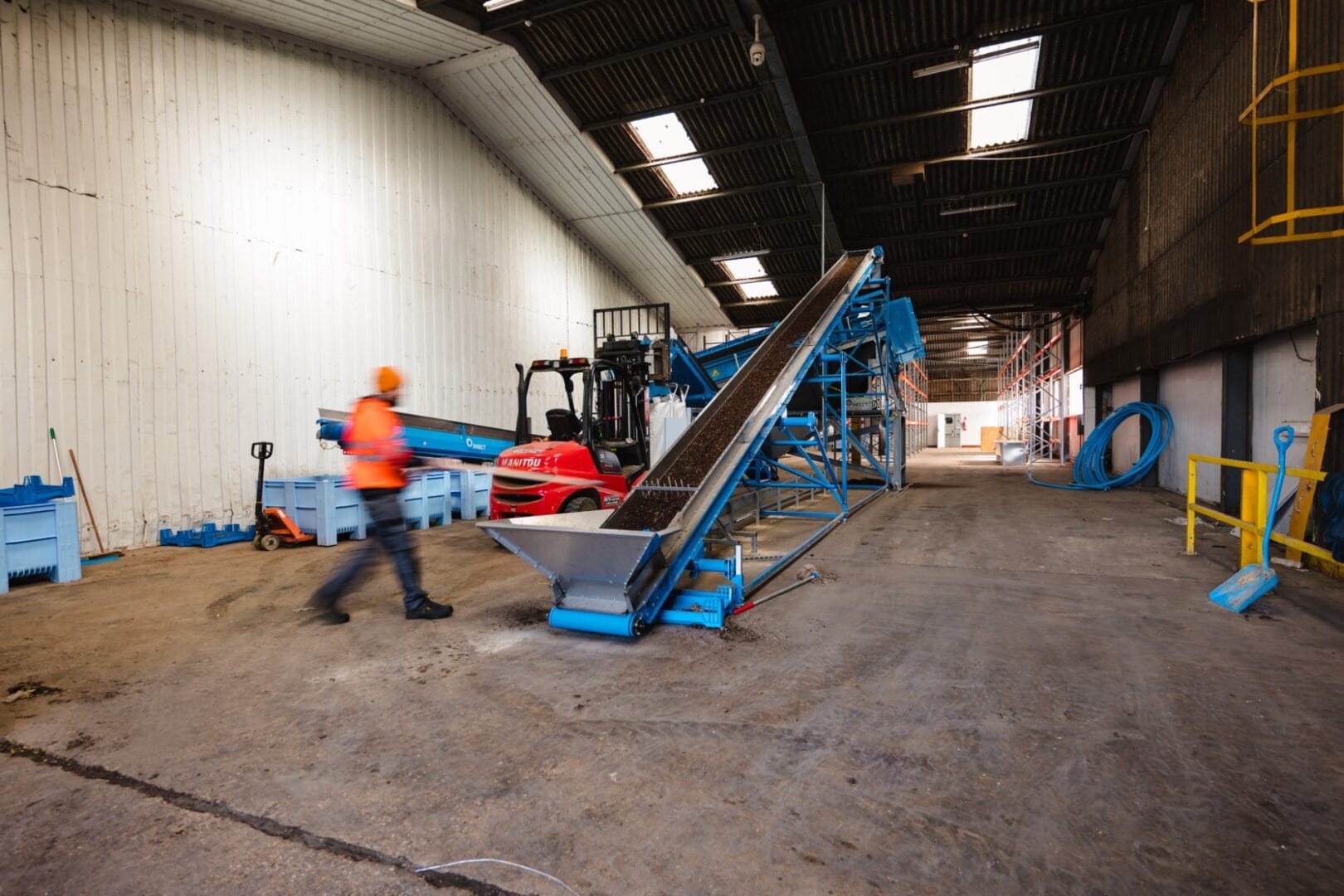
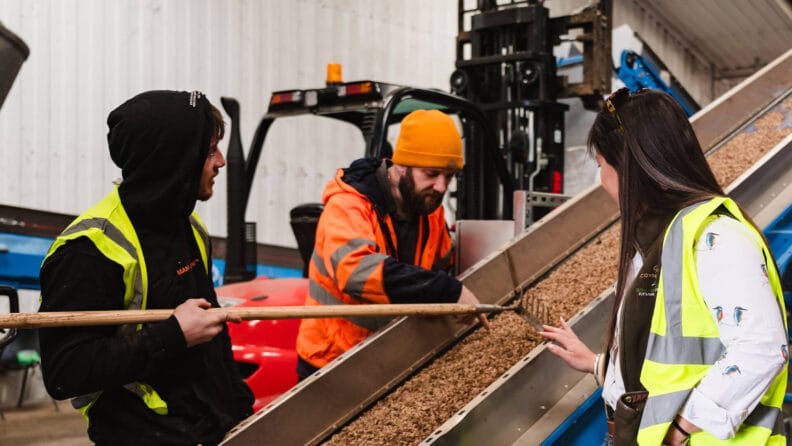
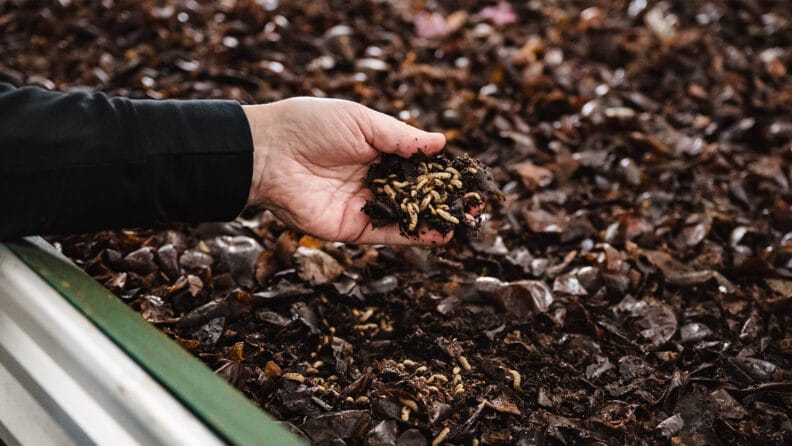
We source 40,000 tonnes of food waste annually from within 15 miles. Thatʼs surplus food from local growers and producers, which is now being up-cycled through Black Soldier Fly bioconversion. As a species, Black Soldier Fly is one of the worldʼs most impressive, highly efficient, natural, and sustainable bio-processors. Converting 100% of waste into high-value outputs: protein for pet and livestock feed, bio-oil, and frass for soil health.
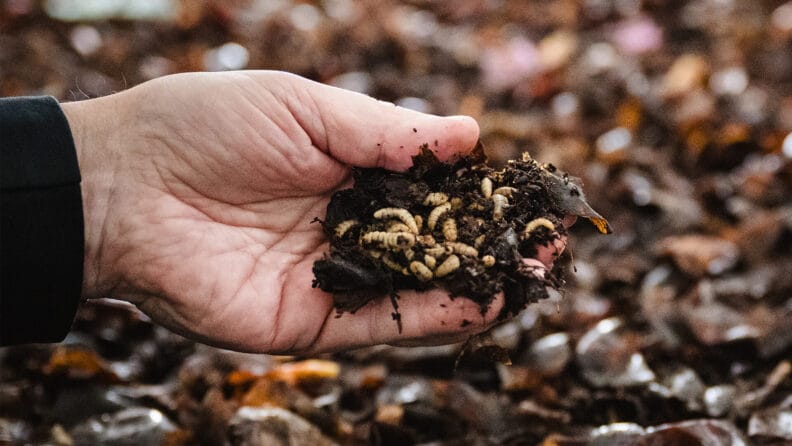
Step inside a biological engine
A natural, industrial system
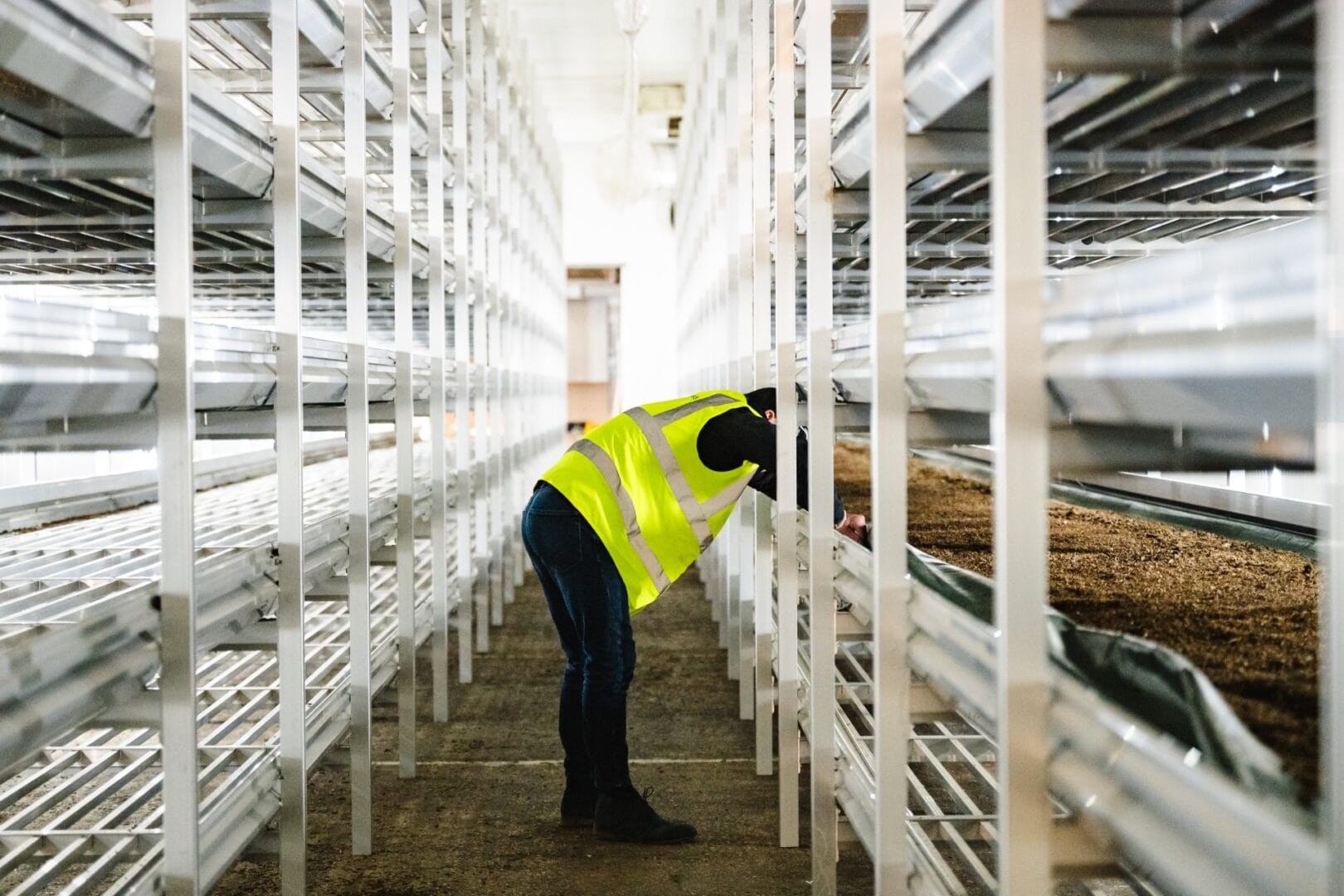
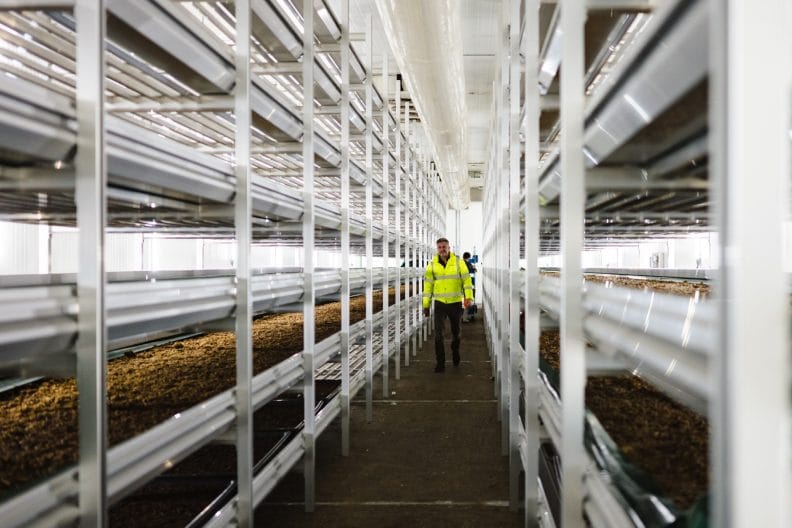
Our systems are engineered for repeatability, consistency, and trust: controlled environments, modular commissioning, and operational discipline.
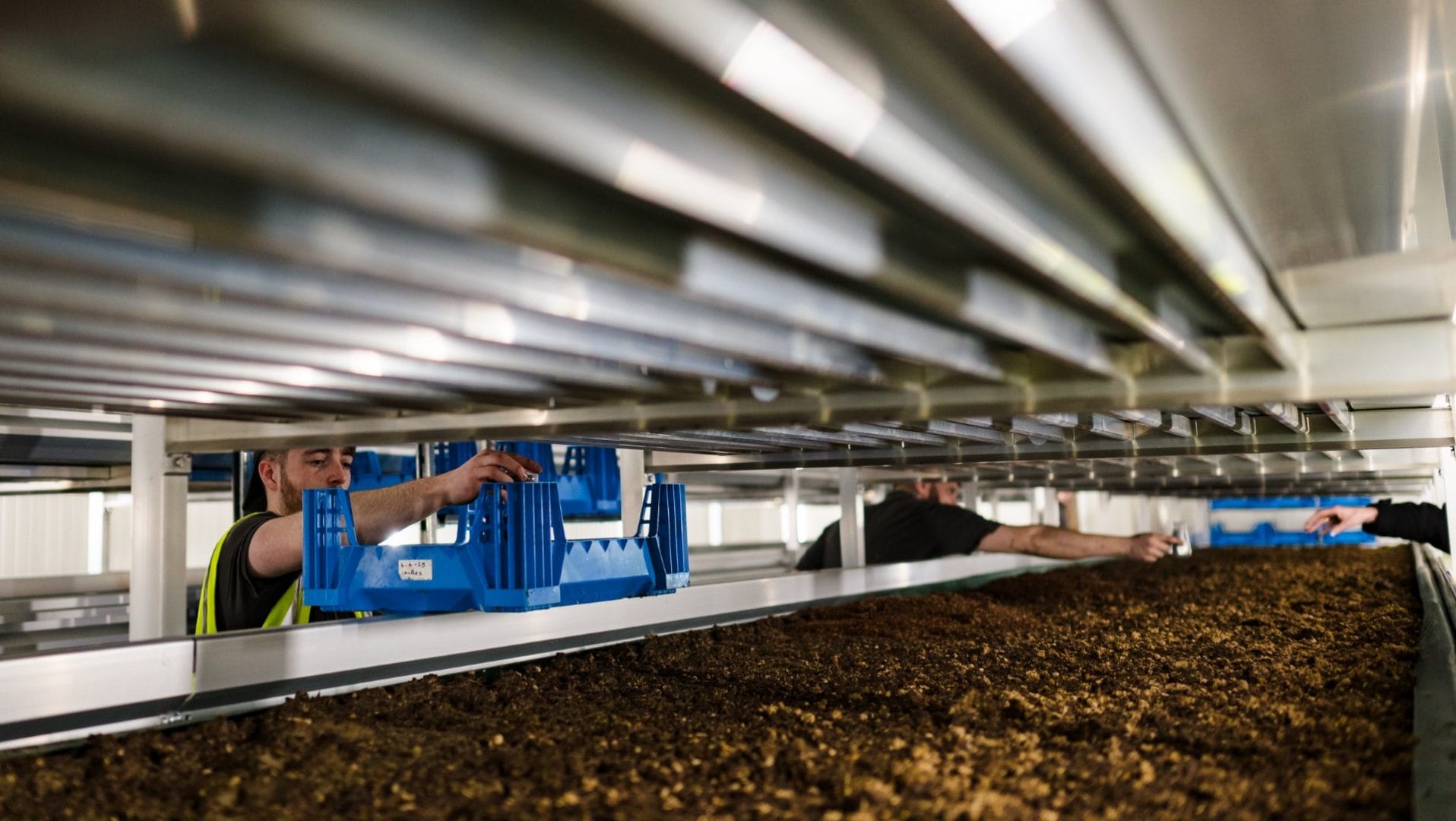
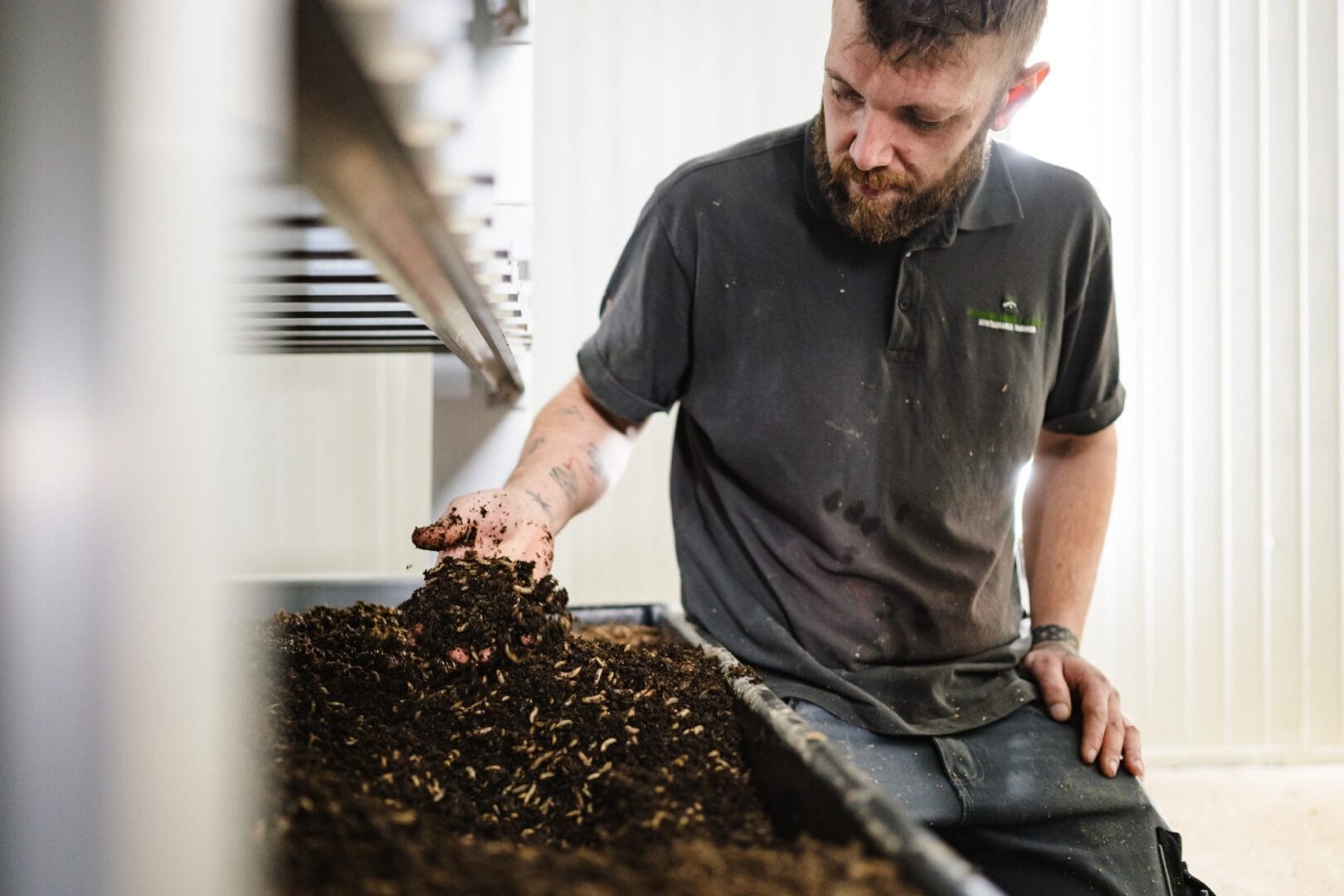
Black Soldier Fly larvae thrive in microbe-rich organic matter and convert it efficiently into biomass. Our role is to run a clean, controlled facility that supports consistent outcomes.
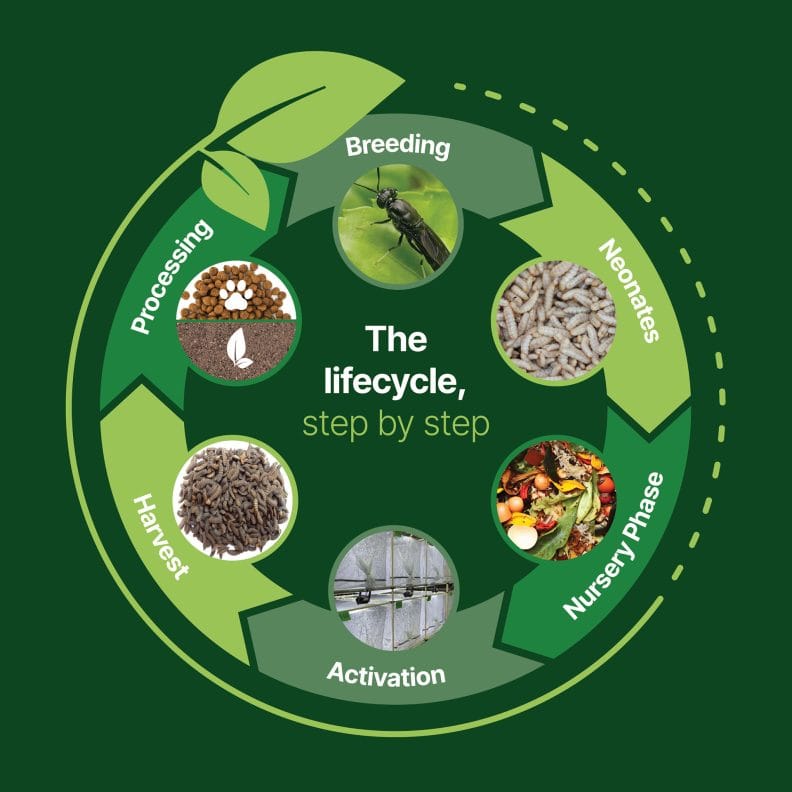
The life cycle, step by step
- Step 1.Breeding
In controlled cages to maintain reliable egg supply
- Step 2.Neonates
Held and managed to support predictable starts
- Step 3.Nursery phase
To build early growth
- Step 4.Activation
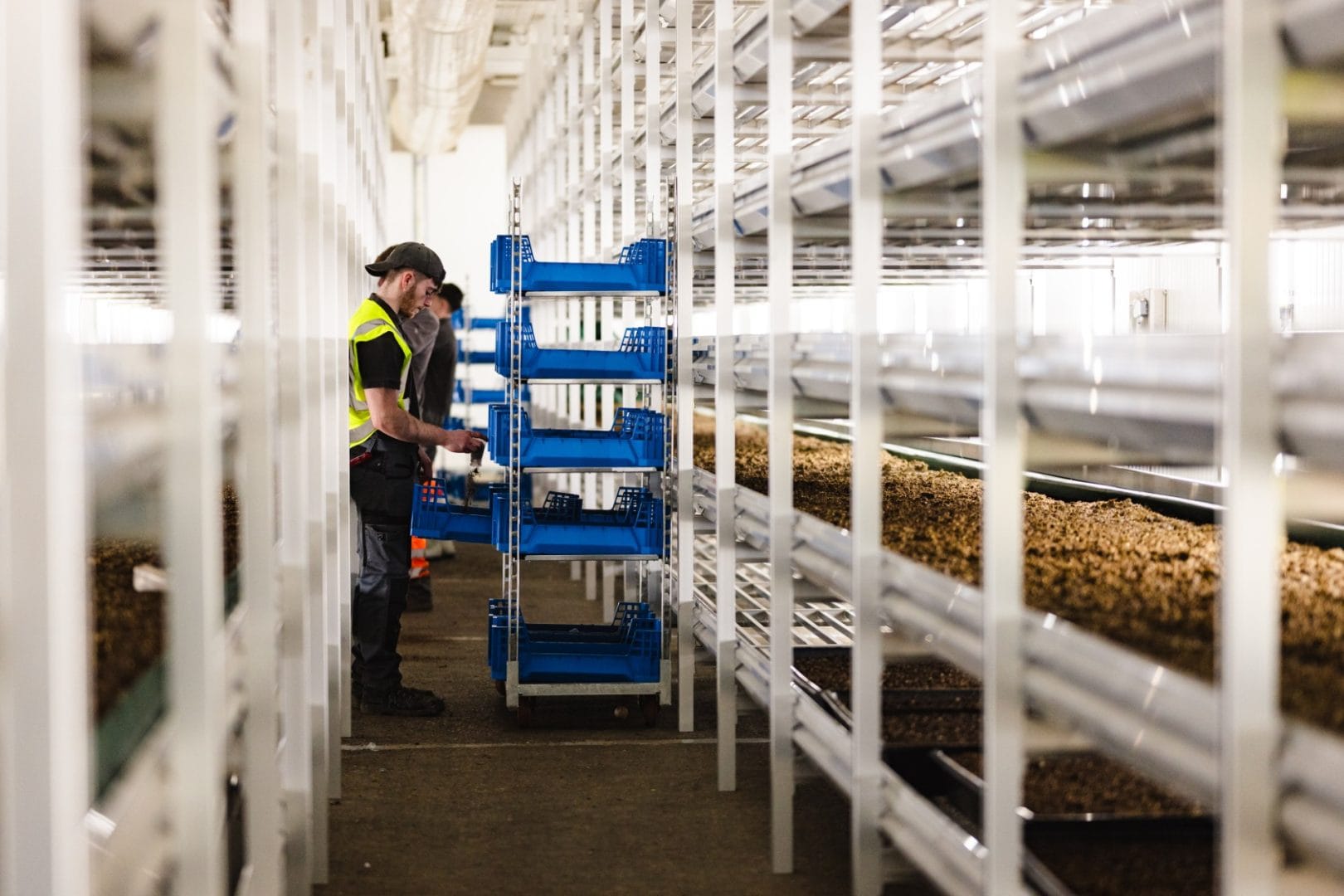
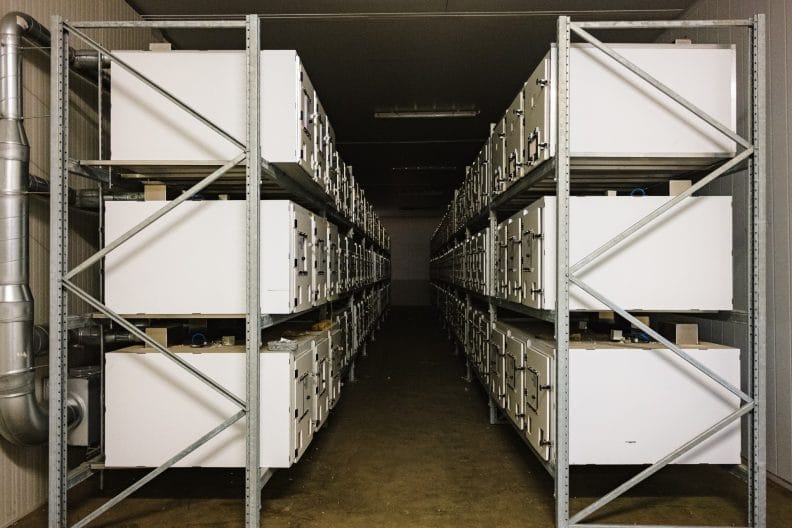
In racking systems with optimised feeding and environmental control
- Step 5.Harvest
At peak value
- Step 6.Processing
Into multiple product streams
Built once. Built right.
Operating to food-grade standards with white-walled chambers, we’re regulated by both the Food Standards Agency and the UK’s Animal and Plant Health Agency (APHA). Regular trading standards visits. Full traceability. Continuous validation. We’re not just producing insect protein – we’re setting the industry standard in partnership with APHA.
- Premium-grade stainless steel systems rebuilt and upgraded for UK-scale operation
- Modular rooms commissioned in sequence to protect uptime and bank learning
- Entomology and farming husbandry at the core, guided by experienced specialists
Our products
Black Soldier Fly is plentiful when it comes to its outputs. One circular process, multiple exciting and beneficial products; each exists due to real demand and forecast impact.
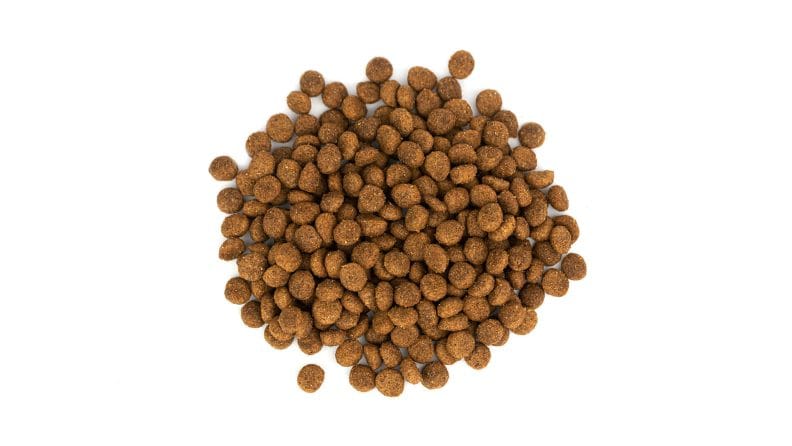
Insect Protein
What it is
A highly digestible, omega-rich, high crude protein produced from Black Soldier Fly larvae, also containing a plethora of amino acids – a replacement for imported soy.
Where it goes
Pet nutrition, aquaculture nutrition, and feed markets as legislation and demand evolve. Big changes occurred to Pig and Poultry Feed on 14th Jan 2026.
Copper Fly Bio-oil
(in development)
What it is
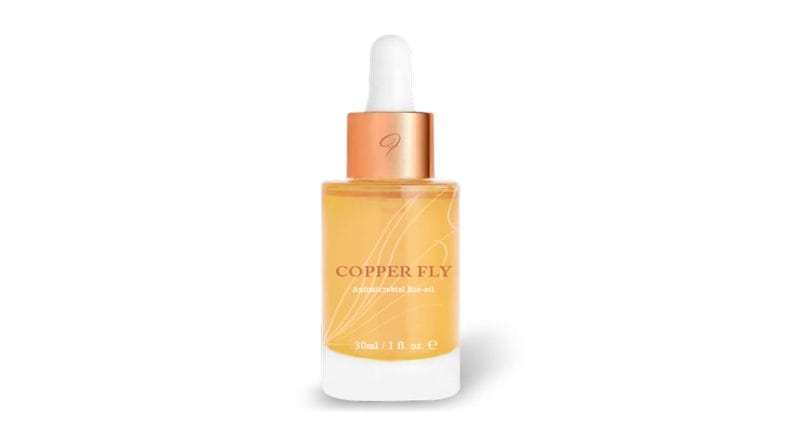
Our completely sustainable antimicrobial bio-oil.
A functional oil with multiple applications, including topical skincare and an anti-bacterial alternative in calf milk, produced by rendering Black Soldier Fly larvae.
Where it goes
Product development and feed additive applications, including antibacterial use cases.
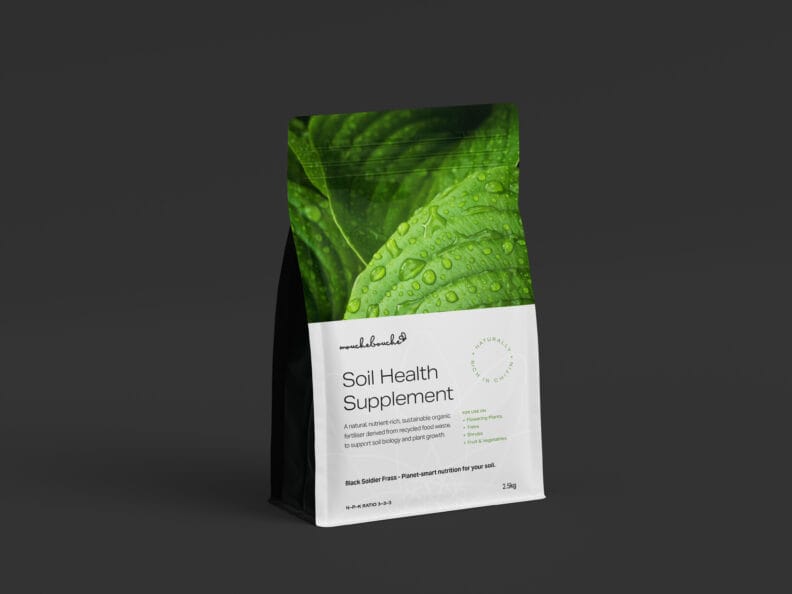
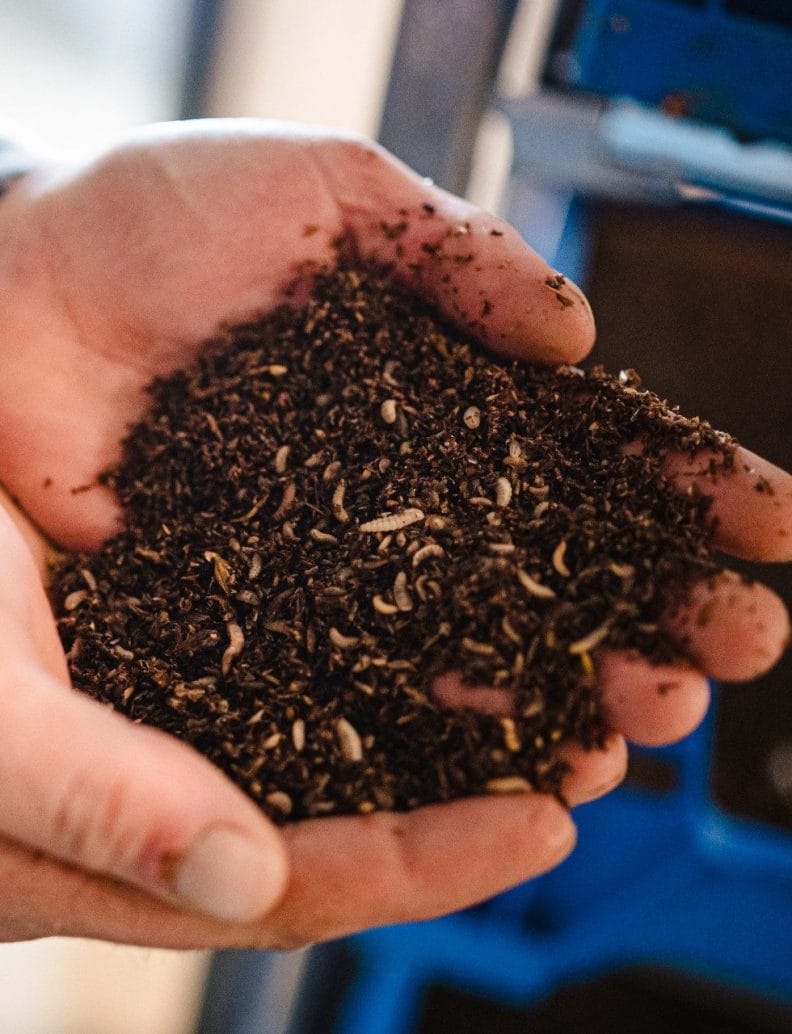
Frass
What it is
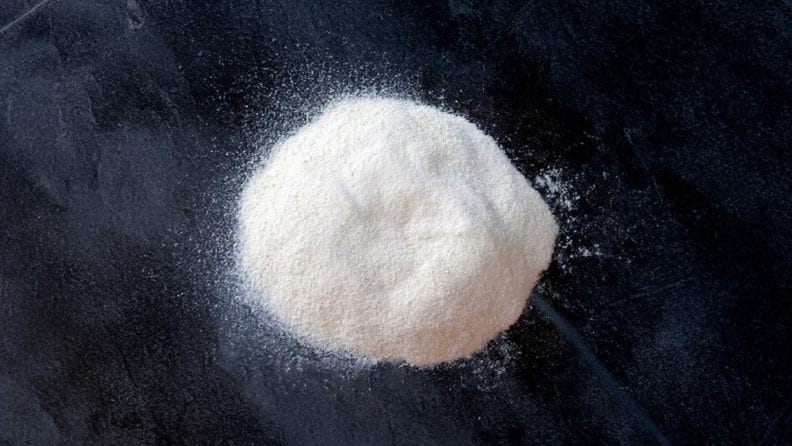
A chitin-bearing soil amendment created from exoskeletons and residue, supporting plant resilience. A natural fertiliser alternative, this closes the nutrient loop.
Where it goes
Soil health and regenerative growing, reducing reliance on synthetic fertilisers. We will also be adding more chitin in our Fortified Frass variants.
Chitin & Chitosan
(in development)
What it is
A high-value biopolymer recoverable from frass and exoskeletons. Chitin (and Chitosan) is a medical-grade material with applications rooted in wastewater treatment and pharmaceuticals.
Where it goes
Potential uses across high-spec applications, with quality and provenance at the core. Chitosan is diluted to be a water-soluble Bio-Stimulant in UK Agriculture.
Modern systems and inputs, and their environmental impact
Fairman Knight & Sons exists to reduce surplus food waste and build resilience.
The climate case strengthens when you judge modern systems by modern inputs. When organic waste is diverted from landfill, incineration or other processes that aren’t environmentally sustainable, and instead processed locally, you reduce land based emission risk and shorten supply chains. When you displace traditional Inorganic Fertilizers and when you replace Palm Oil as an ingredient, you satisfy more Gold Standard methodologies.
Circular beats linear
What our model changes:
Within a 15-mile radius keeps logistics tight and traceable
Is the point: real waste streams powering real outputs
Improves unit economics and reduces risk
Innovation doesn’t sleep, and neither will we.
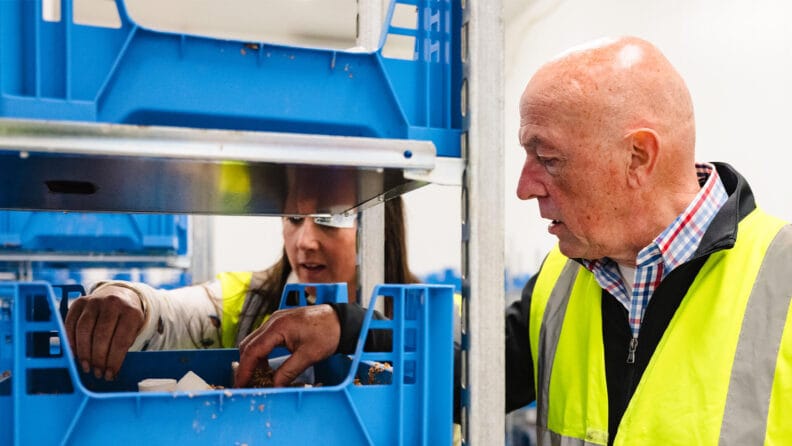
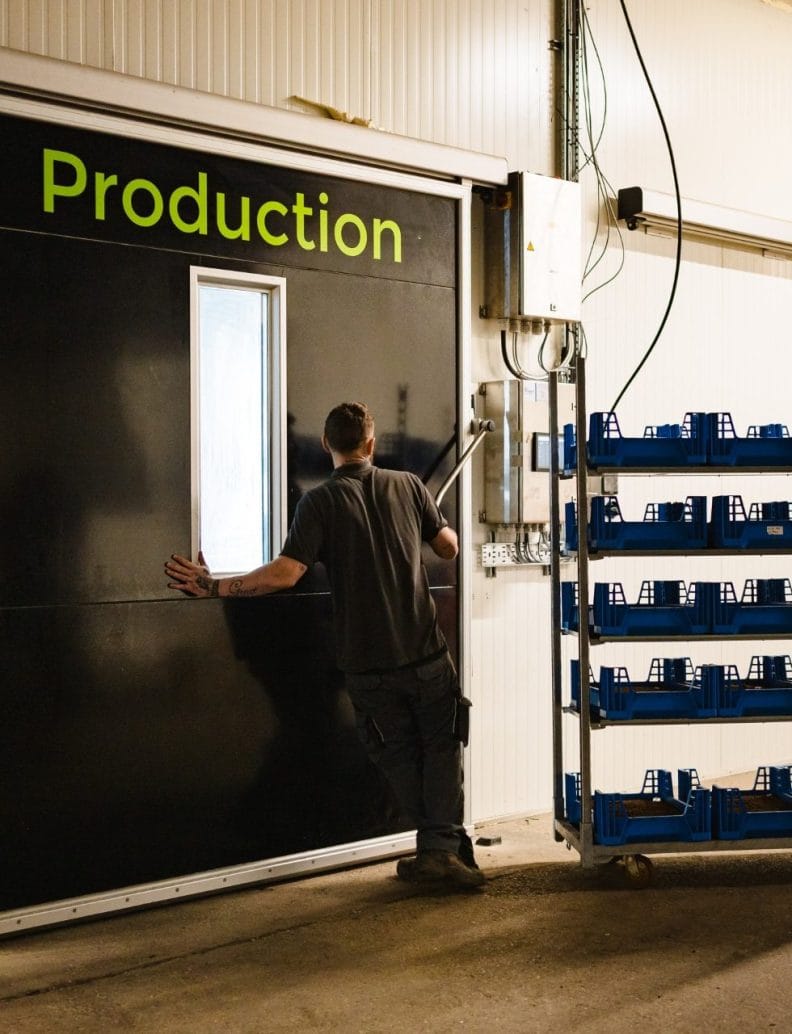
We’re working to bring more production rooms online, commissioning them in sequence as production scales.
Alongside physical developments on the farm floor, the team will also be increasing the transparency of our work through data-led reporting, while Erika and the leadership team work on consistently improving the cleanliness of our logistics, including EV partnerships and on-site renewables.
This is your invitation
If policymakers, researchers, or partners want to understand what circular insect operations can deliver, our doors are always open. Bring the debate out of spreadsheets and headlines and into facilities that run effectively, efficiently, and economically every day.