Growing skills from the ground up in insect biotechnology
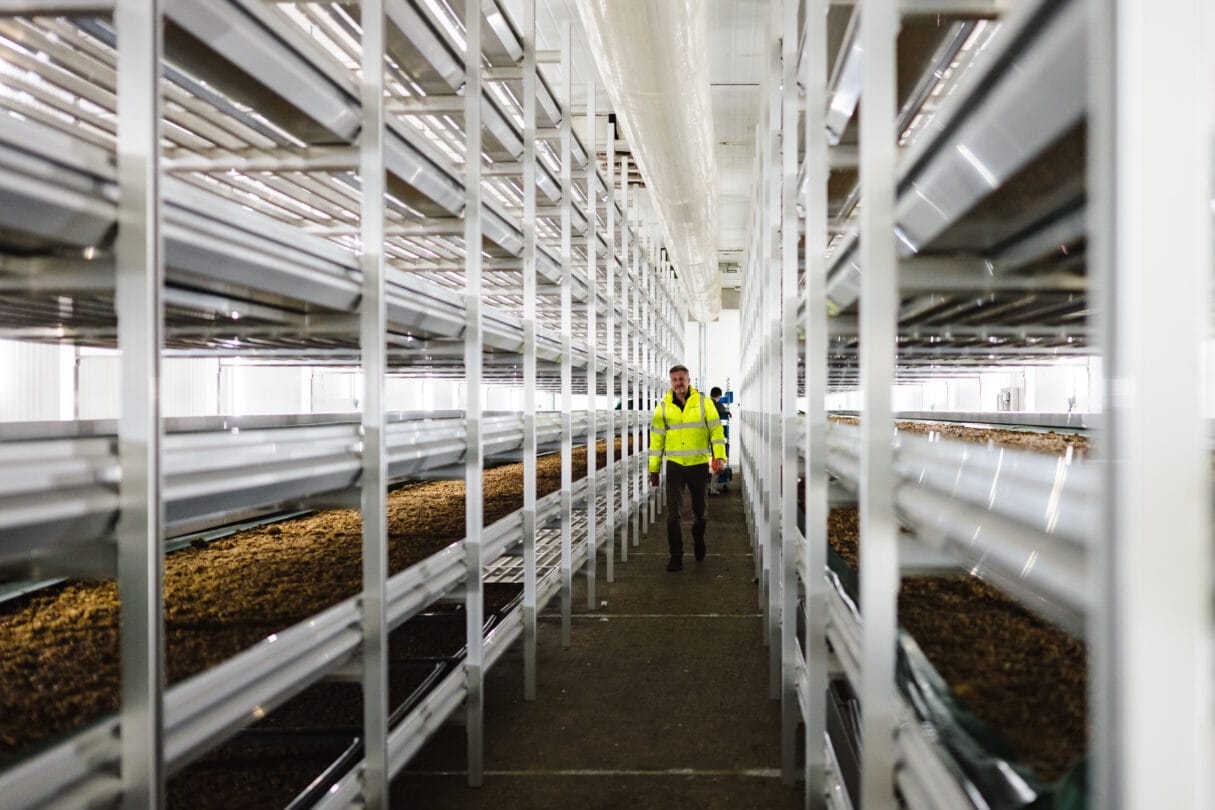
It’s very easy to only think of farming as something traditional. A way of life rather than just an industry, passed down through families, generation after generation. Perfected over the years and rooted in the familiar. But what we are working to build is something different: an insect biotechnology business that turns waste into value, training the people who will help shape the future of agriculture and circular, low-impact production in the UK.
For William Fairman, it starts with care — the kind you learn by working hands-on with livestock, understanding what animals need, and getting the conditions right so they can thrive.
He said: “I’ve spent many years working hands-on in livestock, and caring for animals has always been something I genuinely love. There’s something incredibly rewarding about understanding what they need and getting the conditions just right so they can thrive.”
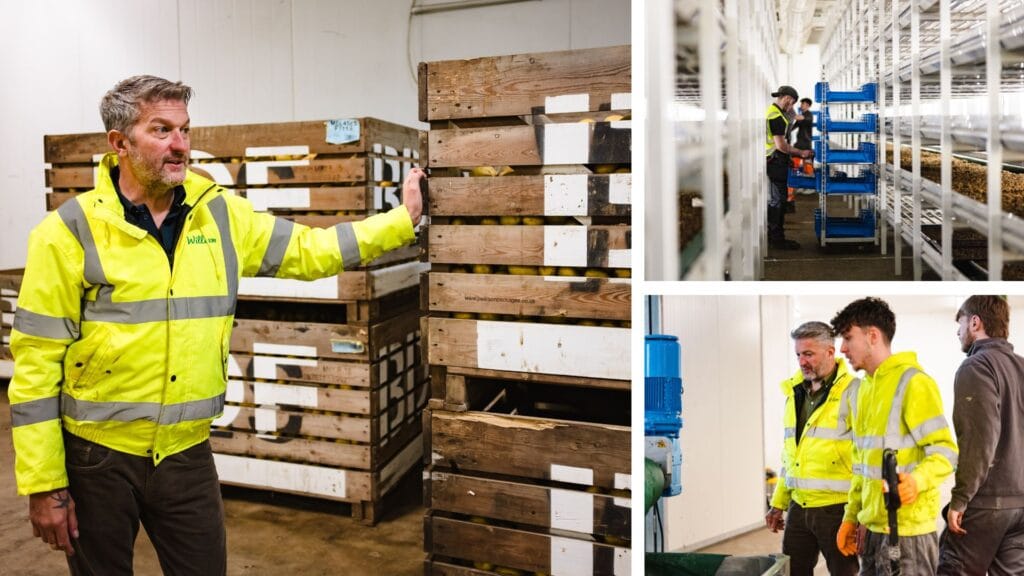
That mindset matters in insect biotechnology more than most people realise. The livetsock might be tiny in comparison to cattle, pigs and poultry, but the responsibility that lies with their care is just as important. While the world might picture insects as ‘simple’, the work is exacting: air quality, temperature, humidity, feed — all of it needs to be right, all of it connected. When it works, the system rewards you with incredible outputs.
“To me, larvae aren’t all that different from traditional livestock. It’s still about good husbandry, making sure everything works together as it should. When you do that well, they reward you with fantastic outputs.”
Training the first generation of insect farmers
What makes this truly exciting for the team here isn’t only what we produce — it’s who we’re building it with.
Insect biotechnology is still very much an emerging and misunderstood field in the UK. That means there isn’t a long-established workforce to recruit from. So we’re developing capability from the ground up, alongside collaborative work with Boston College, and investing in the knowledge and skills of our production teams — training people into roles that up until recently, didn’t exist.
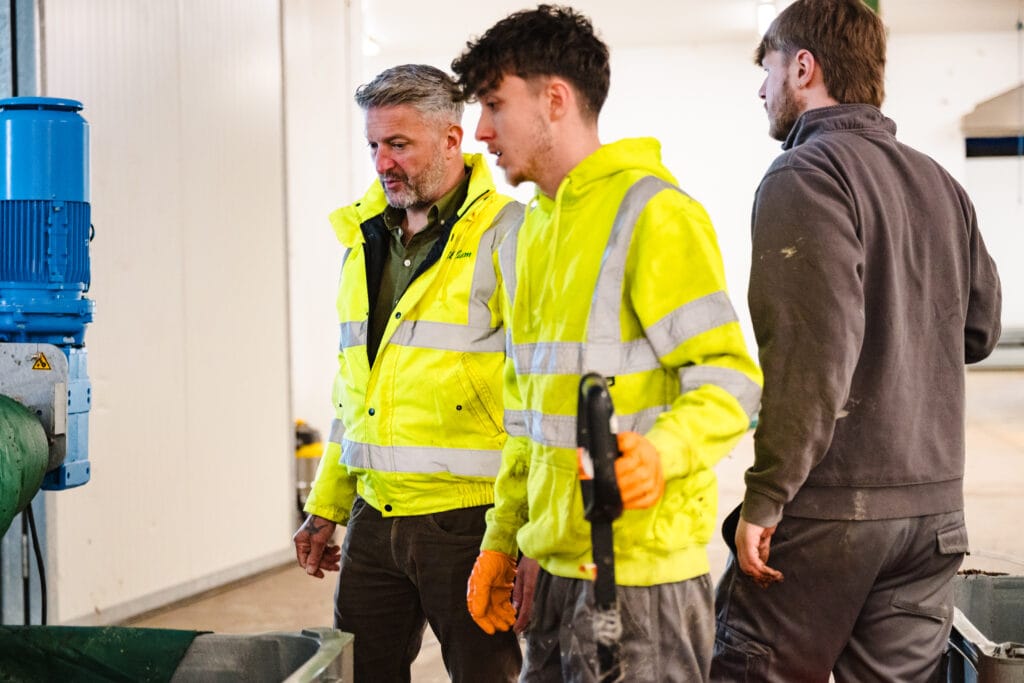
William continued: “I’m so proud that we’re helping to train some of the first people in the UK to do this. They’re learning these skills from the ground up, and they’ll go on to teach others, helping this way of farming grow far beyond us.”
For younger generations, that creates something powerful: a chance to step into meaningful, practical work that combines science, sustainability and real responsibility — and to build a career in a sector that’s only going to grow.
“What really makes Fairman Knight & Sons special, though, is the bigger picture,” added William. “We’re taking waste and turning it into something valuable… more circular, more sustainable, and full of potential.”
This is what the future looks like: circular systems, new expertise, and people proud to do work that matters.